Thursday, April 30, 2015

"The Unbearable Loudness of Boating"

Springtime. When the seagulls soar overhead, eyeballing scraps from fish boats and the terns begin squawking at 6 AM like prehistoric birds--hence our gate's nickname "Jurassic Dock."   It's also the time of year when we awake to the sound of bow thrusters and engines in full reverse--the morning stillness broken by shouting couples screaming directions--or arguing about directions not clearly given. Yes indeed, it is boating season.


It occurred to me this morning, as I sipped my second cuppa' joe and observed the frustrated couple screaming back and forth as they sidled into the large empty bay across from me, that not enough attention is given to the aesthetics of yachting. No, wait--let me explain. I know exactly what you're thinking... There is ample attention given to the accoutrements of yachting, the vessels, the clothing, the gear, yes. But there is so much more to being a classy boater than the amount of gleaming brass on the transom or size of the yacht club's burgee on the bow pulpit. I'm talking here about manners, etiquette... the aesthetics of handling those big, shiny boats.

At the risk of sounding like a judgmental snob (a potentially accurate observation some say), let me elaborate briefly.

Those of us who live and work around boats consistently, are accustomed to a certain status quo of serenity, relatively speaking. Even when there is urgent work or duties to be performed, there is a stubborn tranquility around the commercial dock. When voices are raised it draws our attention. When shouting is heard, we impulsively stop what we're doing (yep, even if it's drinking coffee), and ascertain if help is needed. Most of the time help is not required--but every so often it is.

Last spring over--you guessed it, our morning coffee, we heard just such a noise. Actually, I thought it had been a gull shrieking, but Jeff discerned a woman's voice and jumped into action immediately. Two boats down, a woman had missed her footing and slipped off the bull-rail. By the time we arrived, her husband had managed to pull her out of the water. She was shaken and cold, but fine.
                                                                          

In preparation for their season's opening, the fish boats begin to load their gear. The occasional shout or command can be heard, however the ones that are making all of the noise are usually the new deckhands. Seasoned crewmembers are efficient and economical with their words and for the most part, a whole lot of work gets accomplished on the commercial boats by keeping the communication at a conversation level.

When I worked as mate on the 160-foot Zodiac, I trained my deckhands to watch for hand signals. All commands when we came into dock were silent. If the captain was bringing her in, I would station myself midship and relay the critical information he needed by our standardized hand signals. This practice allowed the captain to concentrate on his job and the rest of my crew to remain alert--using their eyes and ears instead of their mouths. Dock lines could be tossed ashore with just a nod instead of shouts, the winch operator knew when to power down on the bowline with just a finger gesture and knew when to make it fast by watching for the helmsman's crossed fists above his head. Smoothly run, safely operated. Classy.

On a vessel the size of Zodiac, it's fairly important that orders are given to and by a few select officers. I don't mind saying that it's pretty damn impressive to watch a 200-ton tall ship slide into her slip (in reverse), without a word from her crew.
... Aesthetics.


Don't get me wrong, it can be amusing to sit at anchor with a drink in our hands and watch the calamity that often ensues as boats arrive to anchor. That is to say, sometimes it is amusing, other times it is just downright annoying--or worse, frightening. I've witnessed some pretty abusive relationships on boats coming into dock or getting their hook down. It upsets me as a fellow boater and as a person who has trained sailors. And it doesn't have to be that way.


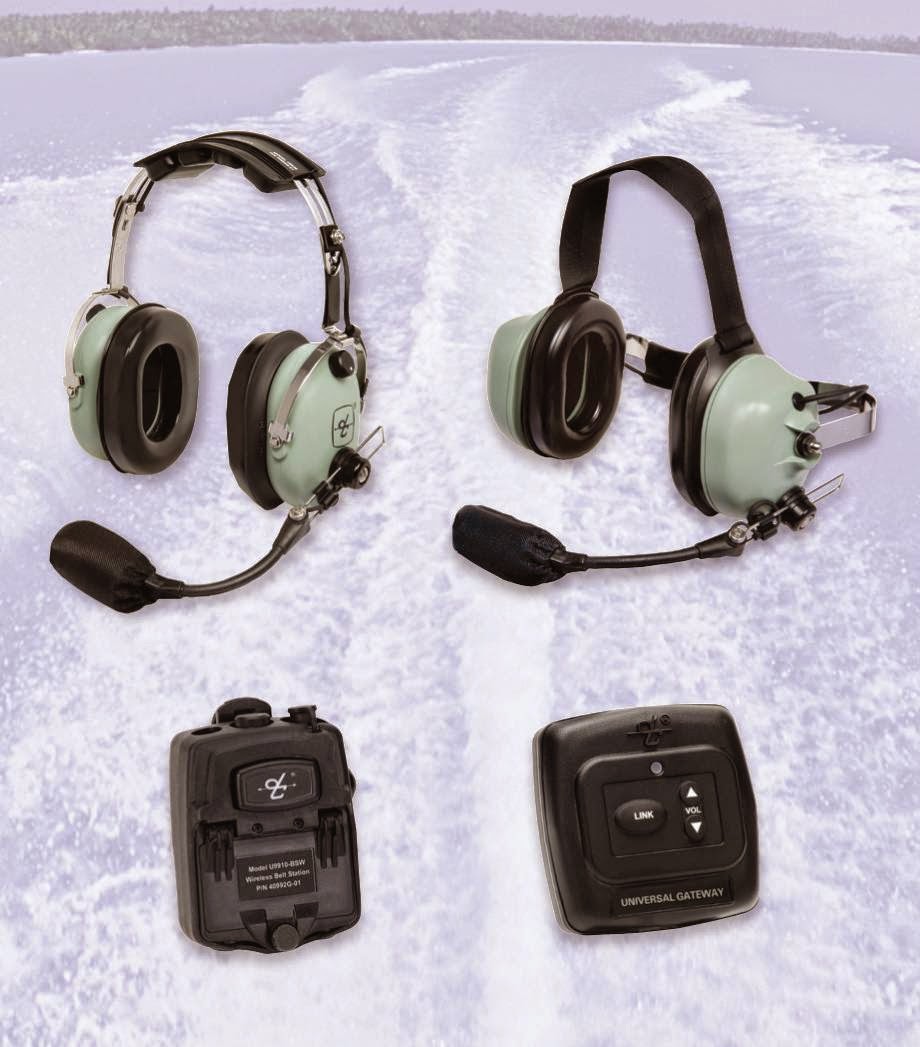
Some boaters use the wireless headsets when maneuvering in close quarters or anchoring. These hands-free devices work pretty effectively, and definitely cut out the noise. There's no denying that they lend an air of professionalism to a ship's crew. However I've been in the Ballard locks (of all places) and watched what happens when headsets crap out: frantic family members start screaming out of sheer desperation. 
I believe that devising your own set of hand signals--and becoming comfortable using them, is the most practical method. Add on the electronics afterward, but you can always rely on the old-school method should batteries die or earpieces fall into the drink.


The ultimate answer might lie in the hands of instructors. If novice boaters learn the right way to communicate--and the reasons for doing so from the very start, the problem may weed itself out eventually. There's a lot to be said for peer pressure. After all, nobody wants to be *THAT* boat...  


Anyway, as the cruising season progresses, I'm going to try and remember to give credit to those who practice proper etiquette and display the kind of manners that I wish everybody did. I can't really change others behavior, but I'm going to certainly give props to those around us who demonstrate good seamanship.


              I just wish the damn seagulls would get the hint.    
 
~ Chris


Wednesday, March 25, 2015

Life is What Happens While You're Busy Making Other Plans

The German philosopher Martin Heidegger, wrote that it is impossible to live in the "now" because even when you say the word, it is already in the past.
I ponder on that statement quite a lot.

Our year progresses and the usual signs point to the beginning of the  PNW cruising season. Preparations of both sailors and their vessels can be witnessed at the marina and in the local marine stores. The amount of energy and expense bent on the singular purpose of "getting out there" is highly impressive.

As Jeff and I race to replace some leaky deck planks on Kwaietek and block out a few of our upcoming weekends to repair Sugaree's mainsail and anchor-chain roller, I feel the anticipation with every sunny forecast that scrolls across my phone's weather app. So many chores to finish... so many plans to make... so many expectations about what this season will be like.


This morning I woke to heavy rainfall. The percussion off our plastic winter cover accentuated the rain's brittle patter. I caught myself listening to the quality of the drips that made it through the holes in our diminished cover. A gust of wind could be heard rushing past the masts, it built in intensity and then blew itself out somewhere over the old refinery. Kwaietek rolled back and forth noncommittally, she'd weathered bigger gusts this winter. Somewhere over on D-dock I could hear the sound of a fishboat's generator. Our bilge-pump ran for a few seconds and then clicked off with the familiar gurgle of remaining seawater that failed to make it overboard.

I crawled out of the blankets--annoying Lucky Jack who'd been perched atop my stomach since Jeff and Juliet had departed over half an hour ago. He blinked and then tilted his head toward the bag of 'Whisker Lickins' as if to say, Well, you're up now, make yourself useful. Upon downing his morning snack, he settled into the top shelf of my closet to wait out the storm. 
                                                                 .  .  .  .  .  . 


 I'm thinking again now about Heidegger's statement while I sip my coffee. These past five years of living on the water have changed us greatly. Perhaps it is because of the sudden clamor to finish projects and the super-charged atmosphere of expectancy in the marina... but I'm very aware of how differently we look at life nowadays. It is a good way to live--possibly the closest to being in the Now that we have ever been.

The sounds and smells, the colors and various temperatures of the world around us are so elemental to our waking selves--an integration of the senses that we've adapted as we moved onto the water that make up this change. For practical purposes, it is our very survival that depends on this change. Everything from watching our water intake and output to how the dock lines sound at any given moment. These are just some of the necessities of boat life. Yet the unforeseen benefits are the many nuances and instinctual knowing of our world.

When I am on a boat and away from shore, there is little effort that is required to live immediately. The patterns of ripples on the water ahead are of ultimate importance to me... the formations of clouds and the color of the sky--consciousness occurs innately. Even now, I can imagine the sounds I hear when we are on the water; the brief whispers that occur split seconds before a killer whale surfaces, the pre-dawn splashes of seals hunting, the rapids-like chatter of a rip-tide, our anchor chain grinding against the rocky seabed and the absolute lack of sound during a night-watch on a starry night.

I recognize this reordering of my priorities and try to be as present as often as possible. However, even as live-aboards we get distracted all too many times. I look forward to tossing off our docklines and disconnecting; no more Facebooking, no more political blogs or blaring music from neighboring boats. If there was only a way to bottle the tranquility one obtains from sailing in order to save for the rest of the year... well, Heidegger would be pleased indeed.

The difference between Being and just being can be found in those moments--the ones in between what we have done or thought and what we are about to do or think. Right now, I'm grateful that we have our boat-life and our cruising time to remind me of this. Someday I may evolve enough so that I can live that way no matter where I am... or maybe not. I suppose that's why I read Heidegger.

... Hear that? The rain has stopped. 


Tuesday, March 17, 2015

Well, Was the Winter Cover Worth it?

Last November, we spent two weekends and about two-hundred bucks to construct Kwaietek's weather cover. Our intention was to keep the boat dry enough to get a few pressing projects accomplished during the winter months.

 
Our dock has several live-aboards that opted for a homemade winter cover as well, so we pooled our resources and purchased supplies en masse. It turned out to be a great neighborhood bonding experience.

 Each boat was a little different of course and presented their own particular challenges to wrap. Fortunately, we had some experienced advise from David B's Jeffrey Smith. (He also lent a hand celebrating the completion of our cover installations).

Four months and roughly six robust windstorms later, we assess the shape of our cover and evaluate it's benefits. The PVC framing has held up pretty well. Jeff learned a good lesson for next year: When using the flame torch to heat-shrink the plastic, he'll avoid heating the PVC up next time. Jeff found that after the heat built up inside the cover it compounded the problem as he brushed the torch back and forth near the pipes. By the fourth or fifth pipe, the PVC began to flex and as the plastic shrunk down. We ended up with some pretty severe warps in our structure. (That we'd been so careful to line up initially).

It has been interesting to see how each vessel's unique wrap-job held up throughout the winter. Some had more success than others. Most held up better than the factory-made fabric boat covers. Overall, we are pretty pleased with ours. It quite likely has maybe one more good storm left in it...maybe not even that much, but it has served us well. Jeff has already planned out some modifications for the next cover.

The decks have stayed relatively dry over the course of winter. So much so that we've been able to complete the deckhouse covering-board project that was priority-number-one.

We've been trying to get stanchions  around our lower deckhouse for a number of years, but always run out of time to complete the project during the dry season and never wanted to pay extra day-rates when hauled out to work on the deck project.
The ability to work at a relaxed pace (well, 'relaxed' for us equals ten-hour days on select weekends), has been a huge bonus. We'll have the posts and rails fastened down before we pull the cover in a few weeks.

Covering board ready for stanchions.


Despite the developing leaks and tearing plastic, the work area has remained dry and unexpectedly warm. In fact, so warm that we often found ourselves working in tee shirts in December through February.

The unforeseen benefit of our weather cover has been a toasty warm boat all winter long. We have enjoyed the shirt-sleeve temps during the day and have been kicking the blankets off during nights for several weeks now.


The animals have taken advantage of our greenhouse conditions and are quick to find the optimum spots for sunbathing. We often use the deck area as an extra room on the boat these days. What with the unseasonably warm February and March weather, we have breakfasted on deck and even held a movie-night with our dock-mates last week. Jeff remarked how surreal it was to have eleven people piled cozily up on deck at 9:30PM in early March. (Global warming much)?

Movie night onboard Kwaietek!


The next job to complete is some corking of deck seams. There are two problem areas that have plagued us for the past three years. Both leaks are situated right over Jeff's and Juliet's pillows!
While we have the luxury of working under cover, Jeff is going to reef out and recork the bad areas--perhaps even replacing one plank.
Work began on this project last night. There's no going back now!


We BBQ'd on deck while he was working on the foredeck and learned one negative effect of living under the cover. And, it really is not a small issue. Proper ventilation is a must when you're residing under what is basically a plastic cocoon. As the propane grill heated up and burned off last week's leavings, we noticed the smoke getting pretty thick up forward.
Always the one to dream up worse-case-scenarios, I started to cut holes and flaps to cross ventilate the boat. Eventually our smoke dissipated, but it isn't something to fool around with. The potential for CO or smoke to accumulate is pretty serious in a wrapped boat. We're pretty satisfied with the amount of venting we have now--and we use fans when painting or using fairing compound... anyway, it is something to really think about when deciding whether to erect a plastic cover and live underneath it.

We have also buffed up our safety measures once the cover was installed. There is an emergency knife hanging at every exit as well as the doorway of every stateroom. We amended our evacuation plan to take into consideration the cover and discussed with our daughter how she would escape from the boat if it were on fire or sinking with the cover on it. Next year we will add smoke and carbon monoxide detectors fore and aft on the framework.

All in all, it has been a great advantage to make a winter cover for our boat. The annual expense isn't overwhelming--and with modifications next year, we can keep most of the parts. The energy spent in erecting the cover is not too cumbersome, especially if neighbors all work together on each other's vessels. The safety concerns are real and should be seriously addressed, but if owners are conscientious and responsible, they are manageable.

Jeff is preparing to begin some shipwright projects on another plastic-covered boat. He will post updates and photos on his new website King Fisher Craftsmen .

I for one, am really looking forward to peeling back the cocoon and revealing all the changes that have occurred inside this winter!

~Chris


Monday, January 26, 2015

"Making Way"

Chapter 27 "Making Way" from Prepare to Come About


“T
hose headsails are killing our tack! Go tell your husband to sheet in his jib—again.” Tim said. “We’re never going to make it through Thatcher Pass at this rate.”
Oh dear lord, not again. I drew a deep breath and went forward to relay the captain’s orders to my foredeck leader. I seriously doubted he’d be any happier hearing from me this time than he was the last three. “Jeffery, Captain says your jib’s still sheeted out too far. It’s killing the tack and making us carry too much rudder.”
“Christ—I’m doing it exactly the way he asked for it last time! If I sheet in any more we’ll be backed!”
“All I’m doing is passing along orders; please don’t kill the messenger.” I spun around and returned to my new position at the quarterdeck, complaining under my breath all the while. “Talk about getting caught between a rock and a hard place…” I shook my head and silently counted the hours until we’d drop anchor and I could go hide in my stateroom. “This totally sucks. Why did I ever think I could actually pull this off?”
It didn’t help that on this, my first trip out as a mate, I had a fractious captain and a partner who didn’t appear to be adjusting very well to taking orders from his wife—especially when those orders often contradicted themselves. I wasn’t certain whether Tim was testing me or just being testy—either way, it made for a long day. It felt like I’d already logged countless miles on-deck, relaying commands and responses to and from the foredeck.
 
 I walked up to Tim and inquired if the headsail was now to his liking and received a reply that was more of a muffled grunt. I chose to interpret it as a sound of approval. My next duty was to walk around the deck and make sure everything was ship-shape. I began capsizing a few coils, only to hear the captain’s voice from the quarterdeck. “Chris—hands in your pockets! Your job is to delegate. You can’t keep an eye on everything if you’re busy coiling lines!”
I sighed. I missed my old job as a deckhand where I could just manage my sail, stow my lines and retire below to read or chat with friends. There was no such thing as standing down for me any longer, and no reprieve from the constant vigilance. Now I had four sails to manage—over 7,000 square feet of them—with two or three stations per sail. I had to watch over all the passengers now, not just the ones who were assigned to my station. Worst of all, I had to keep a look-out for eight other deckhands, a few of whom were beginning to stand out as accidents waiting to happen.
I finished my lap of the deck and collared the appropriate crew to tidy up their lines. In doing so, I was met with several annoyed expressions and one unruly complaint from a little blonde deckhand on the back-stays. “Mom! I hung it on the pin just like Tim told me to! I don’t wanna coil it again!”
“This is the mate telling you to recoil it, not your mom. You can’t argue with the mate—if you don’t like it, go talk to the captain.” Juliet pouted and went back to her station to tidy up lines.


Once we cleared Thatcher Pass, Tim told me to sheet-out to a beam reach and order the main and foresail crews to rig preventers—cables that inhibited the booms from swinging back on an accidental jibe. I called my crew and their passengers on deck to start rigging their preventers. I walked forward to supervise the process and noticed that the main preventer cable looked strange; the mainsail team had run it inboard of the jib sheet. “Hey Ron, I think you’ve led it wrong. It’s gonna conflict with the jib once you sheet out…I’m pretty sure.” I scratched my cheek as I studied the layout, and said, “Let’s redo it; I’m not happy.”
Ron glanced down at the preventer and shook his head. “Nah, this is the way it’s supposed to look. I’ve done it this way a hundred times.” He continued to lead his cable aft to connect it to the boom. I shook my head and stared at the mess of lines; now the jib sheet, main and fore preventers were laying one atop the other. My memories from my former position as the foredeck leader told me that things were askew. It doesn’t seem right somehow…Well, he’s been doing this a helluva lot longer than I have. I guess he knows better.
Tim called to ease out all sails for our new course and as the main boom stretched outboard, I heard the twang of my jib sheet springing tight. Dammit! I knew it!
“Chris! Get that preventer fixed—before that ferry crosses in front of us and we have to move out of his way—I do not want to jibe!” Tim yelled at me.
            I nodded my head and glared at Ron, who was too busy trying to free the preventer to bother with my silent reproach. Once their line had slacked, we struggled as a group to untangle the main cable. Tim shouted at me to quit doing the deckhand’s work and to supervise, but I pretended not to hear him—I could see that Ron and his passengers were unable to cope with it on their own. I leaned overboard to help disconnect the hasp, when suddenly a gust of wind grabbed the mainsail and back-winded it, sweeping the sail and all its hardware toward the opposite side of the ship. I instinctively ducked and at the same time heard Tim yell, “Everybody—out of the way!” The massive boom caught on the throttle of our inflatable tender that hung over the starboard rail. It wrenched the throttle mechanism off the console with a resounding smack! The tender jerked upwards, then fell back into the boat-falls.
            The thermal eased as quickly as it started, and the boom slowed its swing just enough that we were able to counteract a complete jibe. I looked back at Tim’s face and had no doubt as to what might be on his mind. He glowered as he spun the wheel around to keep our sails in their rightful positions. Oh balls. I’m gonna hear about this one. Deckhands ran to the rail and helped the mainsail crew secure the preventer correctly. I stood by and pretended to supervise, but inwardly I felt foolish and superfluous. At that moment, my husband appeared beside me. “Whoa! How’d all this happen?” He inquired.
            “Don’t even ask. I think I’m in big trouble.”
            “They shouldn’t have led their preventers like that… didn’t you stop them?”
            “Aren’t you supposed to be up on the foredeck?” My irritation started to get the better of me—I was jealous that my husband had the ability to just come and go during my crisis. I resented that he could identify the problem so quickly and furnish a solution so assuredly.
            “Alright, I’ll stay out of your way. I get the hint,” Jeff said and went back to the charthouse to read his magazine.


            Tim called Worley and Jeff back to the helm. “Get on the tender and see if you can repair that throttle before we anchor this afternoon. We’re going to need it to shuttle passengers to shore.” The guys went down to the engine room to find the appropriate tools. I leaned against the lifelines, hands finally in my pockets, and awaited the reprimand that I knew was forthcoming.
            Tim ignored me for the most part, and concentrated on keeping his sails full. Ron sat in the captain’s chair and avoided all eye contact. Eventually, Tim handed the wheel over to a crewmember and walked over to where I stood. “What went wrong?”
            “The boom jibed because we didn’t have the preventer hooked…” I started to explain.
            “No. I know all that—I could see it from the wheel. What did you do wrong?”
            I gulped. Oh, that. “Well, I didn’t trust my instincts and let a deckhand overrule my decision… I didn’t step back and delegate to the crew when I needed to and as a result, I didn’t catch what was happening with the boom.”
            “Yep, pretty much. You would have seen that we were about to clear the lee of Willow Island—and you probably would’ve held off on releasing the preventer until you knew whether or not we’d get a gust.”
            “I’m sorry Tim. I… I guess I’m just struggling with how to be the boss. I know I shouldn’t worry about how much everybody else knows and, well, start believing in what I know.” I looked down at the deck and fumbled with my words; at that point I didn’t feel like I knew much at all.
            “You got that right—you have to be the authority on the ship. I need to know that you’re watching all this stuff and that you can give orders that will be obeyed—otherwise stuff like this happens.” He nodded in the direction of the tender, where Jeff and Worley were crawling around trying to reattach the throttle.
            “Yeah, I know, but—these guys—like Ron… He’s ex-Navy and he’s been crew on here for years. I realize that I have to tell ’em what to do, but it’s hard to make ’em listen sometimes,” I said.
            Tim looked unsympathetic. “If you don’t believe in yourself, then why should any of them believe in you?” He gestured toward Ron, who was now snoozing in the chair. “Ron’s probably forgotten more about sailing than you and I’ve ever known—but the problem is, he doesn’t realize he’s forgotten it.”
            “I understand.”
            “Alright then, let’s tack and then we’ll drop in about thirty minutes or so. Get ready to slack preventers.” He turned back to the helm and then paused to add, “Hands in your pockets.”
            “Yes sir. I got it.”

            Later that evening, with the hook down and our passengers occupied in conversation and cherry cobbler on deck, I stole away to my little cabin. The mate’s stateroom had become my favorite place on the ship; a solitary confine where I could curl up in my bunk and lick my wounds from the day. And by this time, I’d develop some substantial wounds to care for—after the throttle debacle, we’d encountered another mishap as my crew launched the tender. I’d assigned several of the younger crewmembers to the boat-falls and instructed them to listen for my commands. Unfortunately, one of the old timers took matters into his own hands, calling for the bow to lower first. This resulted in a rather ungainly and rapid entrance into the water for our poor inflatable. I’d pondered briefly about which of us was having the worse day: our little tender or myself. Before Tim had the chance to start yelling, I went back to the helm to explain. “I know, I know…”
            “Get control of your crew,” Tim said.
            “I will—I swear. Mitch just jumped in without asking. I’ll come down on him next time.”
            “Yes, well, Mitch… having him as crew is like losing ten good men.” Tim grabbed his sweater and newspaper from the scuttle. “You either have command of your deckhands or you have… anarchy. It’s your choice.” With that he walked below.
            “Aye boss.” I said aloud to myself.

            A soft tap, tap at my cabin door shook me out of my contemplation. “Yeah?” I said.
            Jeff’s voice emanated from the other side of the door. “Hey, you up for a little company?”
            “I s’pose so.” I leaned over and unhooked the latch. “Just don’t mention anything about today’s events, please.” I thought to myself,  If Jeffery had been the first mate, there wouldn’t have been any arguments or insubordinate looks… nobody would have presumed to call orders out of turn. My ego felt trampled and my insecurities ganged up on me.
            “Can I get you anything—you hungry?” Jeff asked.
            “Nah, I’m good.”
            “Well, you don’t look good,” he piled several armloads of clothes onto the sole so that he could sit next to my bunk. “Are you in here feeling sorry for yourself?”
            “Perhaps. It’s been a sucky kind of day. I think Tim may have overestimated my ability to take charge.”
            “He told me you might be feeling that way,” Jeff replied. “He also said that you’re doing OK… all things considered.” Jeff repositioned himself on my tiny bench seat; my cabin was not built for a tall individual such as himself. “Wanna know what I think?”
“I guess.”
“I think that you’re just going to have to commit to this thing—make your decisions, right or wrong, and stick to them. You’re going to get blamed regardless, so rather than getting chewed out for somebody else’s mistakes, you might as well get chewed out for your own. Does that make any sense?”
“Yeah—yes, I reckon it does.” I moved to the edge of my bunk. “What you’re basically saying is that I just need to ‘cowboy up’ and grow a pair.”
“Exactly!”
I sighed, “Alrighty then, starting tomorrow I’m gonna own this whole mate’s job,” and then added with a smile, “There’s just one thing babe.”
“What’s that?”
“Sheet that jib in tighter when we come about—you’re killin’ the tacks.”
Jeff chuckled and got up to kiss my forehead. “You got it Madame Mate. You got it.”


                            ~ Chris


The author will be reading an excerpt from Prepare to Come About and signing copies at Seattle's Queen Anne Book Company on February 12th  @ 7PM. Please stop by and say hello.


Monday, January 12, 2015

Alaska Beckoned Me Once Again

By Jeff

With the beginning of the New Year I realize just how busy we’ve been for the last several months. I thought I would catch up and post about some of my activities from last fall.   

Tom, a friend of ours in Bellingham operates a prawn boat in Southeast Alaska and asked me if I wanted to crew for him.  Always willing to try new adventures I agreed and found myself on a flight to Wrangell in the last week of September.

Tom normally keeps his boat in Gustavus, near Juneau.  He'd already moved the boat to Wrangell to be ready for their district's prawn open. I spent a week prior to leaving lacing up new prawn pots to ship them up to the boat.  Upon arrival, it was a little more of the same, checking the older pots and effecting any repairs needed.  The other deckhand, Dan, bad been onboard for a few days already, going over the gear so we were in pretty good shape.
Weather the first day, and what I expected.
As a little background information, I’d been through parts of Southeast while working a run on tugboats, but had been left feeling somewhat underwhelmed.  Of course, that had more to do with the fact that I’d barely seen any land what with all the fog and mist.  I was left with kind of a meh opinion of Southeast so far.  Based on the weather when I arrived I didn’t think I would leave this time with a different opinion.

The weather we actually had most of the time!

 A day prior to the open, it was time to head south. Tom had previously done a little scouting and had a good idea of where he wanted to be. We also wanted to set a longline or two to get some baitfish to supplement to frozen whole fish and pellet we had onboard.  We left Wrangell in the evening and transited the narrows in the channel southbound by radar and GPS in the dark.  After clearing the south end of Wrangell Island we made our anchorage on the east side of Etolin Island, a run of about three hours.


Sunrise
The next morning, we were up to an absolutely beautiful sunrise and clear skies.  After a leisurely breakfast we fired things up to set our longline.  This consisted of a few rocks as anchors with baited hooks clipped on every few fathoms, then a line to our buoy.  It didn’t take too long to set and we went off to scout.  Whenever Tom saw a promising location on the depthsounder, he marked a waypoint on his GPS and by early afternoon we had or plan of attack for setting pots the next day.  When we returned to check our baitset, we found we’d done okay. I was frustrated that we had to send back any halibut we caught.  No one onboard had a recreational halibut permit and it was illegal for Tom to keep any halibut caught on a commercial longline baitset.  Tom was taking no chances, so back into the water they went.

Longline hooks baited and ready.
The thing that sold me on this adventure is that this fishery is completely civilized.  Regulations require that fishing gear can only be moved between 8 am and 5 pm.  This is one way that Fish and Game keeps this prawn fishery sustainable.  The other big regulation is the regular and frequent catch reports the boats are required to file.  This way the biologists keep tabs on the catch and know when to cut the open off.  It usually runs between twelve and seventeen days. 

5:30 am found us up eating breakfast and drinking coffee and the first day of the open.  After breakfast Tom took us out to where he wanted to start setting while Dan and I rigged the pots.  We put five pots on a length of floating crabline, one pot every twenty-five fathoms.  The buoy line consisted of twenty-five fathoms of floating line on the bottom and the same length of sinking line on top, attached to the buoy.  This rig kept the line floating off the bottom, reducing the chances of it snagging on rocks, and the sinking line at the buoy minimized the chances of fouling a prop.  The five pot rig is called a “suicide five” as they might hang up on a rock, have the buoy line break and leave the pots on the bottom.  The other possible rig is a ten pot string with buoy lines on both ends.
100 pots stacked on the workdeck.

At 0800 precisely, our first pot went in the water.  From that moment on, Dan and I worked furiously to build strings and Tom took us to the next setpoint.  I would assemble and bait the pots while Dan built the strings. When we neared a setpoint, Tom would call out to stream the buoy, which would then go over the side.  At the spot he wanted the pots he’d call “Set” and we would toss a pot over the side.  Each pot in a set went over after the line had uncoiled and stretched out.  Working quickly Dan and I stayed ahead of Tom ad 5 pm pound us with the last string of twenty in the water.  Tom was pleased to gotten al one hundred pots in the water.  With the job done, we retired to the anchorage to drink beer.
The fruit of our labors in the live tank.
And so ended the easy days.  After the first day, we would be processing prawns mornings and evenings as well as turning pots during the day.  The next morning we pulled out of the anchorage and at 8 am precisely, began pulling strings.  The first pot was LOADED with prawn and Tom was thrilled.  He picked out the biggest one he saw and returned it to the sea and we were all business after that.  Tom hauled the pots, Dan opened them and dumped the prawns into the live tank and I rebaited and stacked them.  As soon as the pots were ready, we reset the string since we’d found a good location.  Wash, rinse and repeat and that is how the day went.  By 5 pm we’d turned every string and managed to move a few that weren’t on good grounds.  
Then the processing began. Tom likes to head his prawns and process tails only.  He doesn’t like the after treatment chemicals that are used when handling whole prawns and feels the snapped tails yield a higher quality product.  More work for us, more money for the product.  We start by snapping the tails off the prawn, the heads went straight back into the sea.  The tails were then sorted by size and we packaged them into plastic tubs and waxed paper boxes depending upon the customer, and everything was loaded into the blast freezer for overnight freezing. 

The next morning we unloaded the packages from the blast freezer, dipped the boxed prawns into water to glaze them and loaded everything into the hold freezers. All this had to be complete before 8 am to we could start turning pots for the day.  Our first days catch was almost 300 pounds of tails--it was the second best day Tom had ever had in his fishing career.  Needless to say, he was pleased! The second day continued as the first, but as Dan and I had sorted out the deck rhythm we were able to spend more time heading prawns in between sets.  The harder and faster we worked, the sooner we could have a beer and get to sleep in the evening.


A variety of some of the really cool critters that crawled
 into our pots for a free meal.
The weather was amazing, clear and sunny one moment and raining twenty minutes later.  Keeping a weather eye out and changing layers to meet what was coming, kept us quite comfortable and happy. Tom’s biggest concern was that we needed more bait soon as we were turning sets faster than he thought we would.  The morning of the third day, we left the anchorage early so Tom could get to cell phone coverage and order more bait.  Things were shaping up to be a record-breaking season for us.

About twenty minutes out an ominous pounding banging sound built up from the engine.  We shut down to investigate, could find nothing obviously wrong and then fired up to return to the anchorage.

Feeling we were pushing our luck, Tom decided to return to Wrangell for a closer inspection.  A few of the other boats were heading back to unload catch, so we knew we could catch a tow if anything went seriously wrong.  Cruising at idle speed, pounding the engine the whole way we headed home. There were five sets along our route that we were able to pull as we went by, which just aggravated the situation.  We’d been averaging over two hundred pounds of processed tails a day, and these five sets had the biggest, prettiest prawns and the fullest pots we’d yet seen.  When we should have been pulling sets and moving them to this area, we were instead heading back to uncertainty.

Prawns, all headed and sorted by size.
Tom setting up on the next string of pots to pull.
Ten hours of pounding later, we pulled into Wrangell.  The local mechanic met us at the dock and quickly diagnosed that the crankshaft had snapped.   We had knocked the engine off it’s front mounts by the time we’d returned. However, we were felling quite lucky to have made it back. Our fishing season was over for the year.  We spent a day or two trying to lease a boat and work it out with Fish and Game but to no avail.  Five days into my first prawn open--a good one at that, I was headed back home.

Tom has since installed a new engine and is waiting for next year.  In the end, I had a great time and am ready to go back north again.  I’ve gained a new appreciation for Southeast Alaska.  The scenery, if a little wet is spectacular.  With a rifle, a toolbox and some hard work a person could build a pretty amazing life up there. I however, will just continue to visit.  I’m feeling a little to old to try that game now!

~ Jeff.